A Story From Behind Prison Walls

The Blake Williams Story

No clergy. No tracts.
Just the words on the page.

In the book, this is not a side story. It is the living exhibit at the end of the argument: what happens when men attempt to follow the New Testament without importing a denominational system?

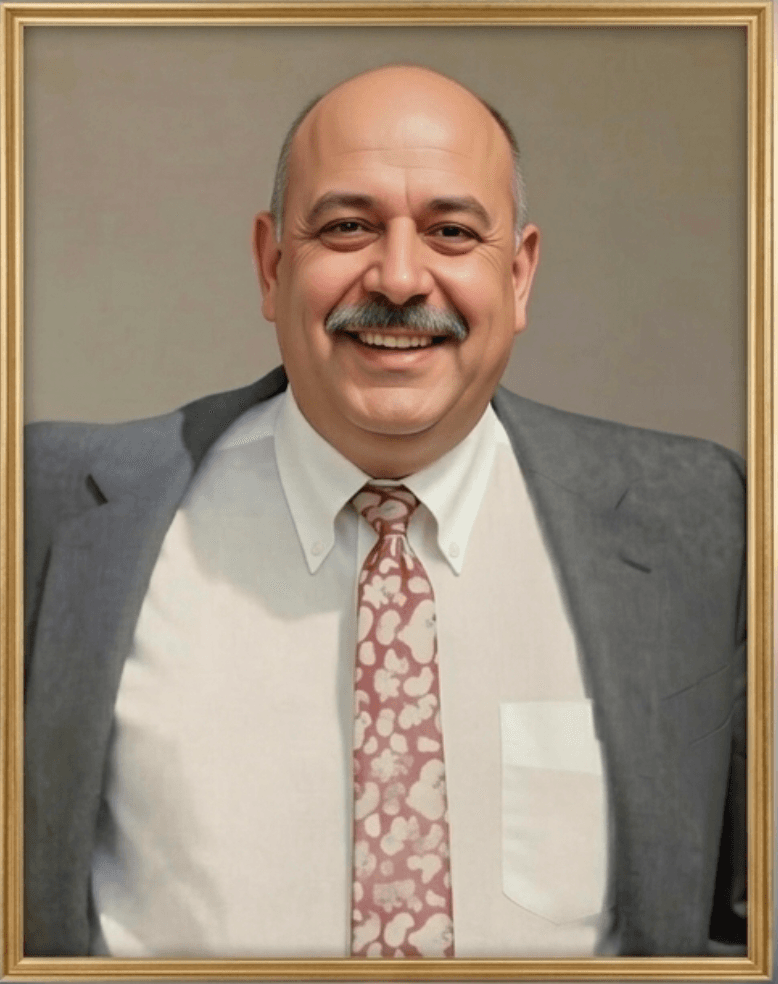
Portrait of Blake Williams

The Man Behind the Story

Blake Williams

The book follows Blake from Baton Rouge to El Reno, through repeated attempts to begin with Scripture and ask what the New Testament itself required.

What begins as a prison Bible study develops into the story of baptisms, worship, questions, correspondence, and a search for Christians following the same biblical pattern elsewhere.

The pages that follow trace that story in the sequence presented in the book.

16men baptized

The First Time

A child's pool on a cold concrete floor.

The manuscript describes a group of prisoners reading through the Bible until they reached Acts 2:38. Fifteen men were ready to be baptized. Blake Williams made sixteen.

No bells. No trumpets. No crowd.

Follow the Story

Six turns in the road.

Move through the stages exactly as the story develops in the book — from Baton Rouge to El Reno and beyond.

The First Time

01

Just read the Book.

Twenty-three men agreed to set aside preachers, tracts, and opinions and read the text for themselves. When they reached Acts 2:38, the question became practical.

Fifteen men were ready to be baptized. Blake joined them, making sixteen men baptized in a child’s swimming pool on a cold concrete floor.

El Reno

86

By December 1983

The manuscript records that eighty-six men had been baptized by December 1983 and that the group was eventually given chapel space for Sunday worship and Thursday study.

What began with four men studying under trees on the prison compound became the largest religious group on the El Reno compound, according to the account in the book.

What They Practiced

They kept asking one question: what does the text say?

The practices below are presented here as the manuscript describes them.

01

Scripture first

The study began with an agreement to set aside preachers, tracts, and outside opinions and work directly from the biblical text.

02

Baptism

The manuscript says the men came to Acts 2:38 and understood baptism as part of obeying the gospel for forgiveness.

03

The Lord's Supper

Their Sunday assembly included bread and the fruit of the vine.

04

Singing

They chose unaccompanied singing because the New Testament passages they were following said to sing.

05

Teaching and prayer

Men rotated responsibilities for preaching, prayer, Scripture reading, and leading the assembly.

06

Giving

Because prison rules prevented a normal collection, the men gathered and sold aluminum cans to create funds for benevolent work.

The Third Time

“There have to be others.”

The story says Rick Watson mailed a twenty-question questionnaire to churches looking for answers grounded directly in Scripture.

A response from John M. Davis of the Ridgewood church in Beaumont, Texas, became the moment the prisoners believed they had found Christians elsewhere following the same biblical pattern.

JAN021986

The Fifth Time

Don came to preach. Then the prisoners examined him.

Don writes that he preached at El Reno on January 2, 1986, expecting to teach the men. Afterward, the group critiqued his sermon from Scripture.

He describes that encounter as the beginning of a deeper study that changed his own conclusions.

January 13, 1986

Don records that he was baptized for the forgiveness of sins after that period of study.

The Sixth Time

Historical continuity.

The book's conclusion is not that the Lord's church disappeared and was later reinvented. The Blake Williams story is offered as a living case for the opposite claim: the seed remains capable of producing the same kind of church wherever people follow the same apostolic word.